
First-Time Home Buyer Tips for a Smooth Relocation Process


Essential First-Time Home Buyer Tips for a Smooth Relocation Process

Buying your first home is a big deal — equal parts thrilling and nerve-wracking. Between signing papers, packing boxes, and figuring out what goes where, it can feel like a lot to manage all at once. That's exactly why having a solid plan makes all the difference. In this guide, you'll find practical tips to keep the relocation process on track: from a step-by-step moving checklist and money-saving strategies to a clear timeline that lines up your home closing with moving day.
What checklist should first-time home buyers follow before moving?
A solid moving checklist is your best friend when you're buying your first home. When there are a hundred things pulling your attention at once, having a structured list keeps you on track and helps you reach moving day without any last-minute panic.
Which tasks are essential for a first home moving checklist?
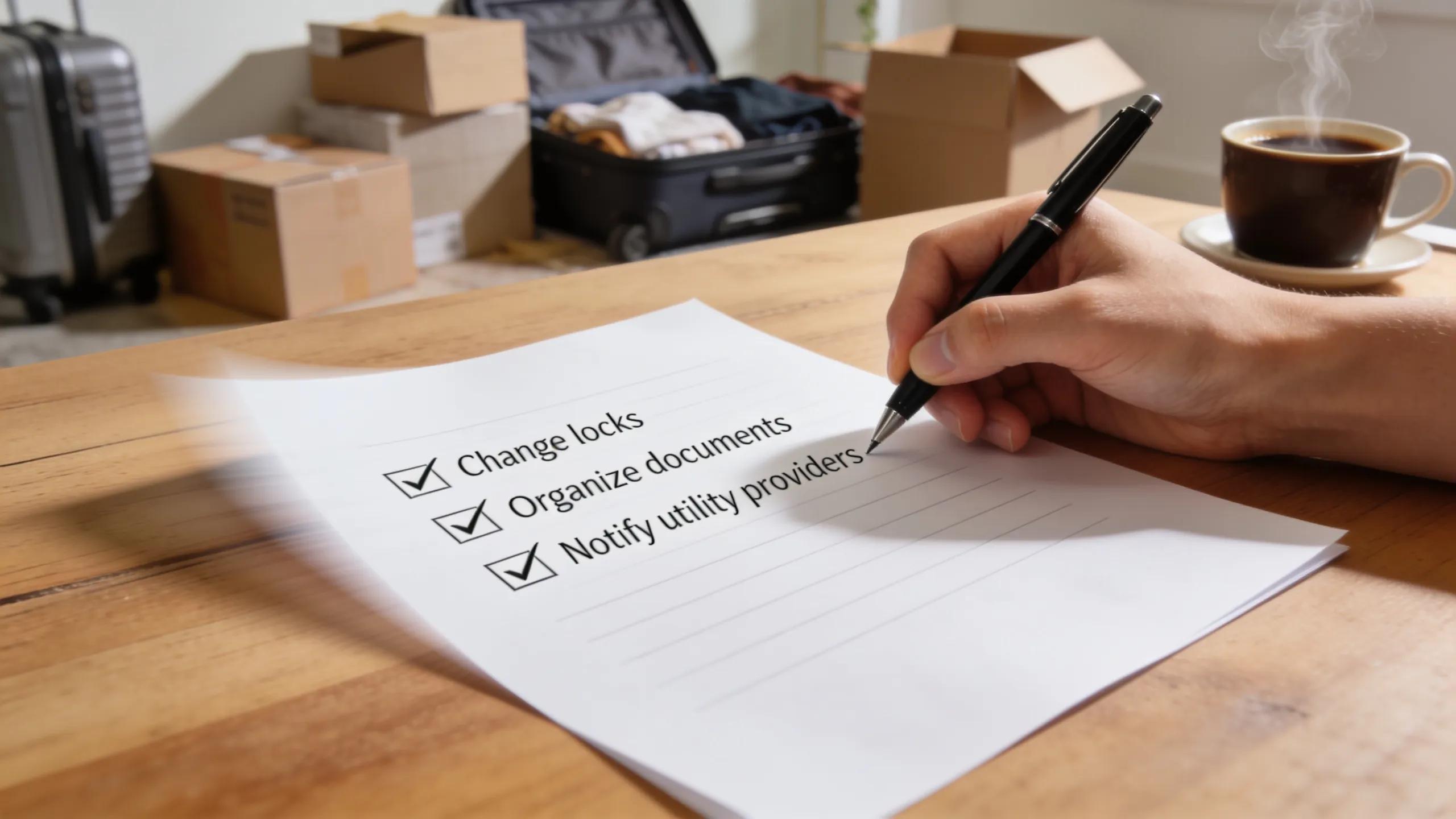
Start with the basics: change the locks on your new place, and gather essential documents like your purchase agreement and insurance policies somewhere safe and easy to find. From there, work through the practical stuff — give your utility providers a heads-up about your move, stock up on packing supplies, and book your movers or truck rental as early as you can. The earlier you lock in those logistics, the calmer moving week will feel.
How can buyers organize their timeline for a smooth move?
A well-thought-out moving timeline takes a lot of the guesswork — and stress — out of the process. Start about 6–8 weeks before your move and break everything down week by week: when you'll pack, when you'll clean, when the truck arrives. Building in that buffer also means you have room to shift things around if your closing date changes, which it sometimes does.
How can first-time buyers save money during their home relocation?
Moving costs can add up fast, especially when you're already stretched from buying a home. The good news is there are some simple, practical ways to keep those expenses in check without cutting corners on a smooth move.
What strategies help reduce common moving costs?
One of the easiest ways to cut costs is to get creative with packing — ask local grocery or retail stores for spare boxes, or wrap breakables in towels and linens you're moving anyway. If you have flexibility on timing, moving in late fall or winter typically means lower rates from moving companies since demand drops. A little planning goes a long way toward keeping your budget intact.
How to budget and track expenses in your moving timeline?
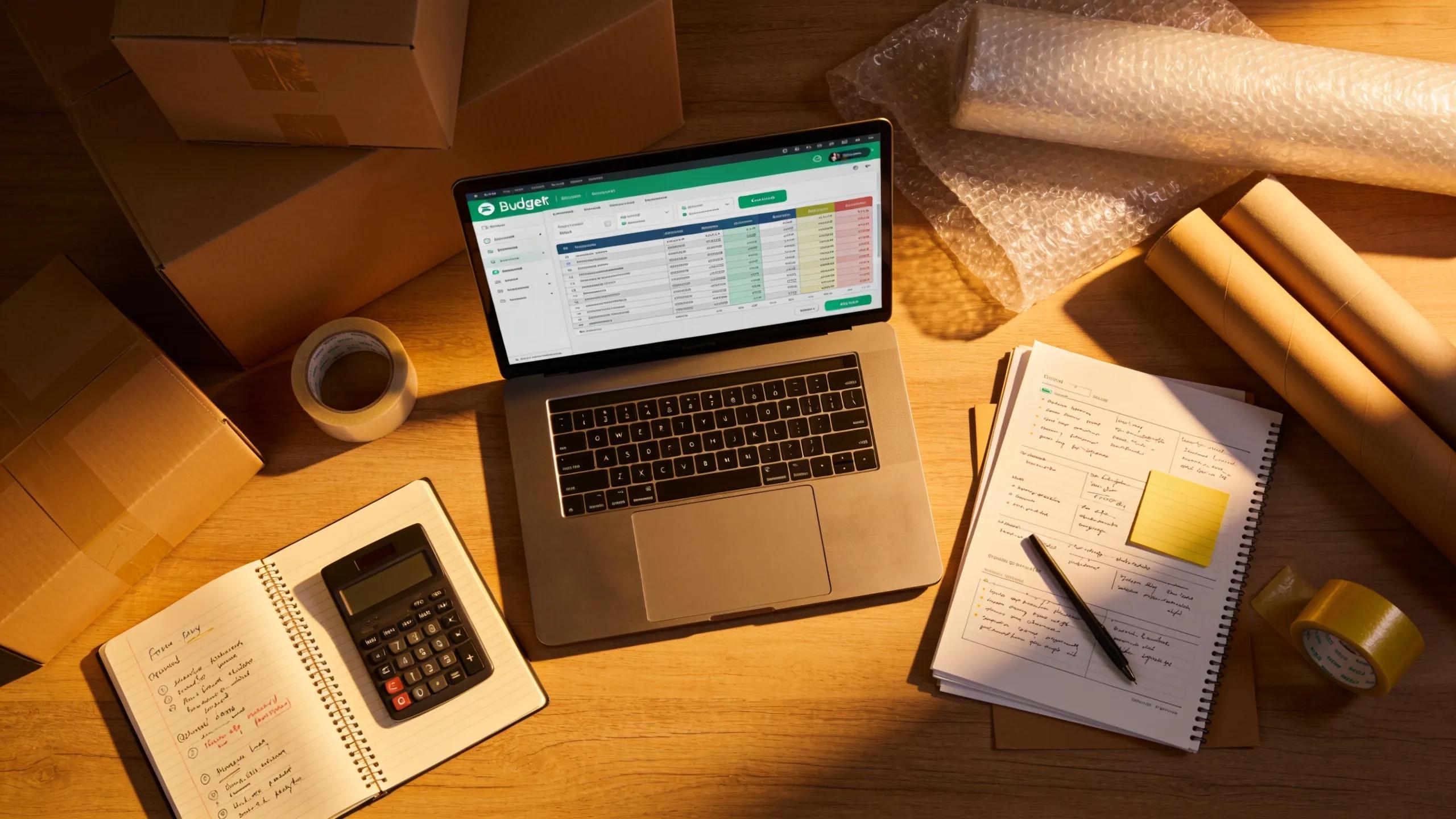
Getting a handle on your moving budget early saves a lot of headaches later. Jot down every expected expense — packing supplies, truck rental, utility setup fees — and track them as you go, whether that's a simple spreadsheet or a budgeting app. Seeing it all in one place makes it much easier to spot where things are creeping over and adjust before it becomes a problem.
What are the best tips for organizing and managing moving day?
Moving day has a way of feeling chaotic no matter how well you've prepared — but a bit of smart organizing beforehand makes a real difference. Knowing which tasks to tackle first keeps things flowing and helps everyone stay calm when the inevitable curveball comes.
How to efficiently pack and unpack on moving day?
Clear labeling is your best move here — mark each box with its contents and the room it belongs in, so helpers aren't guessing where things go. When it comes to unpacking, don't try to do it all at once. Start with the essentials: kitchen basics and bedding. Getting those two rooms functional first means you can actually eat and sleep in your new home while the rest gets sorted.
Which utilities and address changes should first-time buyers handle?
Don't let address and utility updates fall through the cracks. Before you move, notify the post office, your bank, and any government offices of your new address — it's easy to forget these in the rush. Also get your electricity, gas, and water transfers scheduled ahead of time so you're not arriving at a dark or cold house on day one.
What timeline do first-time home buyers need for buying and moving?
Getting from "offer accepted" to "keys in hand" involves more moving parts than most first-timers expect. Mapping out your timeline early — and keeping everyone in the loop — means fewer scheduling conflicts and far fewer unpleasant surprises along the way.
When should buyers start packing and preparing for their move?
Aim to start packing about 6–8 weeks out. That might sound early, but it gives you time to go through your belongings room by room — deciding what's coming with you, what gets donated, and what can finally go. Tackling it gradually is so much easier than facing a mountain of unpacked stuff the week before the truck arrives.
How to coordinate home closing dates with moving logistics?
Closings don't always go exactly as planned, so building a little flexibility into your schedule is a smart move. Stay in close contact with your realtor and moving company about key dates — a quick check-in can prevent a small delay from turning into a major scramble. The buyers who handle relocation most smoothly are the ones who plan thoroughly and stay ready to adapt.
Categories
Recent Posts